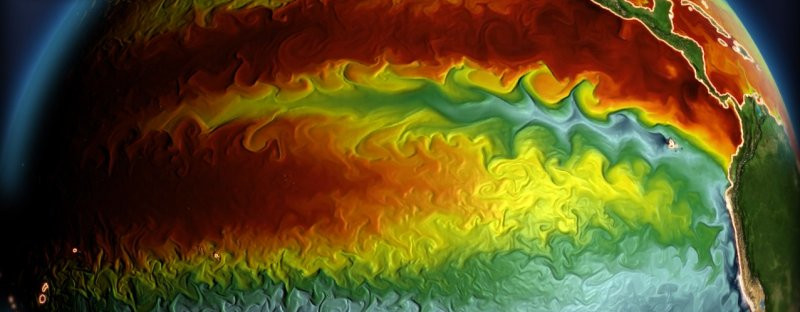
- Docente titolare: Anna Maria Marotta
- Docente titolare: Alessandro Regorda
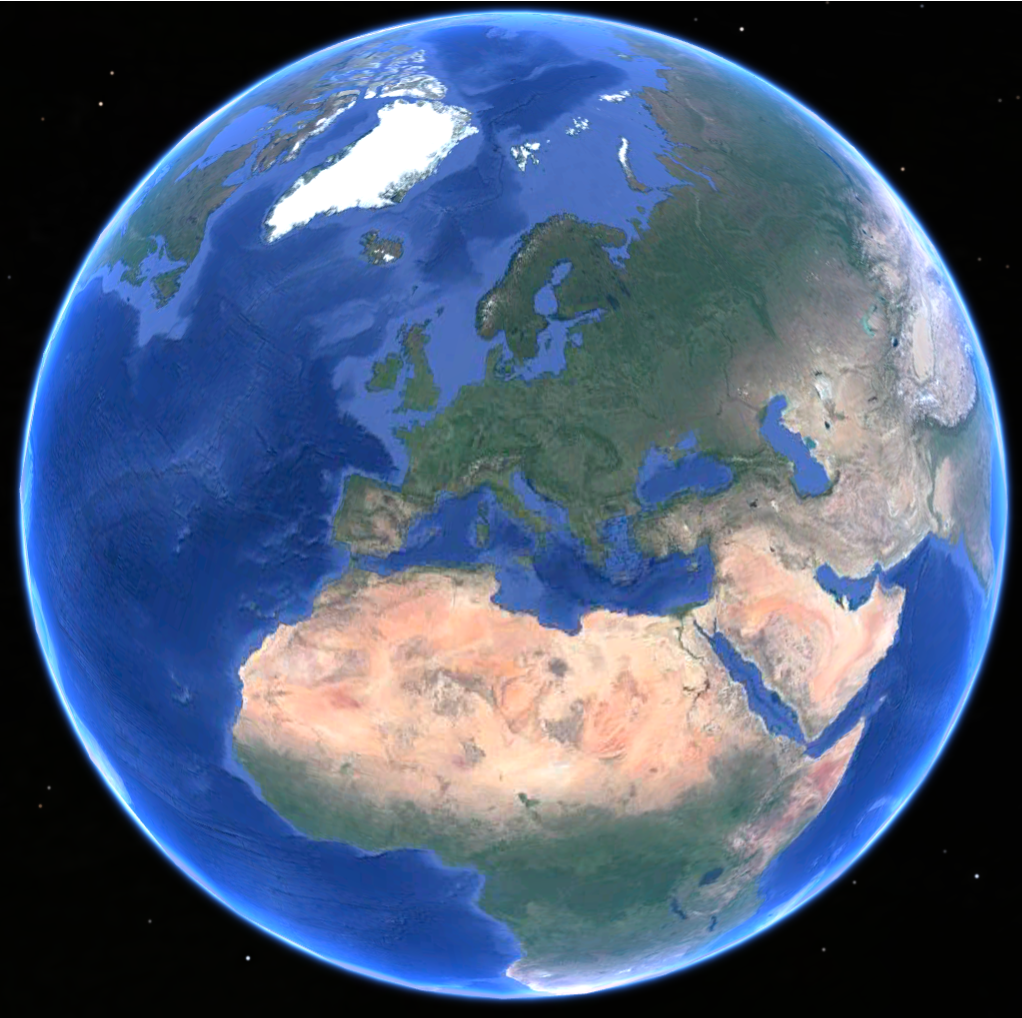
The course unit will provide a basic knowledge of Earth materials, starting with an introduction to mineralogy to understand the constitution and properties of minerals, and their aggregation in rocks. Genesis, evolution, and weathering, considering variables such as pressure, temperature, and geochemical environment, of minerals and rocks will also be presented.
The student is expected to possess the following set of knowledges:
- Basic mineralogy
- Crystal properties and geophysical implications
- Earth's origin and chemical differentiation
- Composition of Earth's major reservoirs
- Rock cycle and rock classification
- Petrological processes in the different geodynamic environments
- Water-rock interaction and water chemistry
- Biogeochemical cycles (C-N)
- Most common tools available for the identifications of minerals and rocks
The student will also acquire communication skills (ability of describing topics related to basic elements of mineralogy, rocks and geochemistry) and learning skills (ability to select and read scientific papers and books to increase the knowledge on the topics introduced during the lectures).
- Docente titolare: Enrico Cannao'
- Docente titolare: Paolo Lotti
- Docente titolare: Marco Voltolini
- Docente titolare: Edoardo Dallanave
- Docente titolare: Manuel Roda
- Docente titolare: Andrea Zerboni
How can we make sense of the complex signals of nature? This course blends mathematics, physics, and data science to give students the tools to explore, model, and understand geophysical and environmental fluid dynamics.
Students will explore:
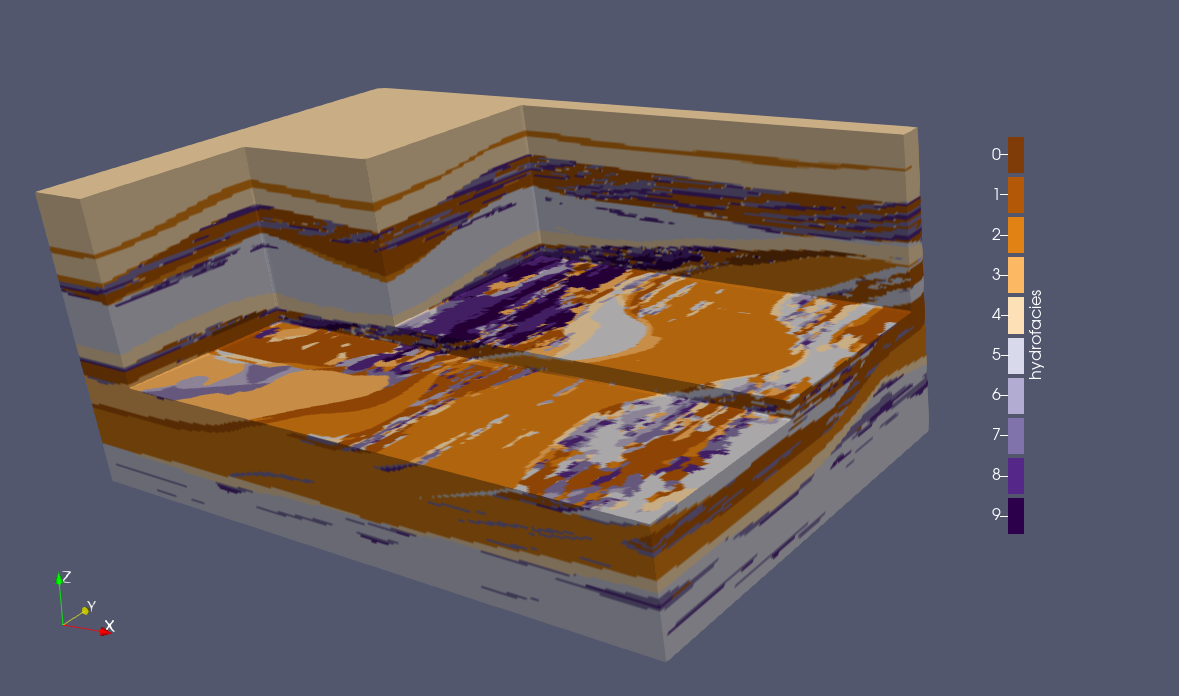
- Modeling in Geophysics: physical and numerical models, dimensional equations.
- Probability and Statistics: probability theory, random variables, distributions, regression, and principal component analysis.
- Stochastic Processes: Brownian motion, stochastic differential equations, Fokker–Planck and Langevin equations, Ornstein–Uhlenbeck process, jump processes.
- Numerical Methods: ODEs, PDEs, discretization techniques, finite differences, and grid structures.
- Time-Frequency Analysis: Fourier and wavelet transforms, and their applications to geophysical signals.
The course combines mathematical theory, numerical techniques, and applications to real-world geophysical data.
- Docente titolare: Luca Mortarini
- Docente titolare: Alessandro Comunian
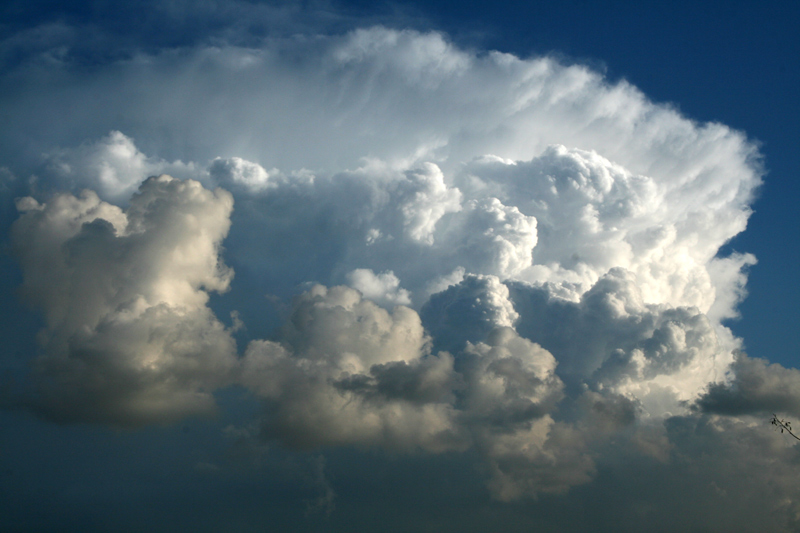
The course aims at introducing the most relevant topics of
atmospheric physics and meteorology, i.e., radiatiation, thermodynamics, dynamics, that regulate the
behaviour of the Earth's atmosphere. The course unit also aims at
introducing students to the observation and simulation of the Earth's atmosphere. This
goal is addressed with lectures as well as practical activities, and it makes wide use of
meteorological information also from the web, to exploit the acquired
knowledge in the analyses of real meteorological scenarios.
- Docente titolare: Silvio Davolio
- Docente titolare: Giancarlo Maero