- Docente titolare: marina mapelli
- Docente titolare: Saverio Minucci
- Docente titolare: Stefano Santaguida
Categoria: D58 Biomedical Omics (BO)
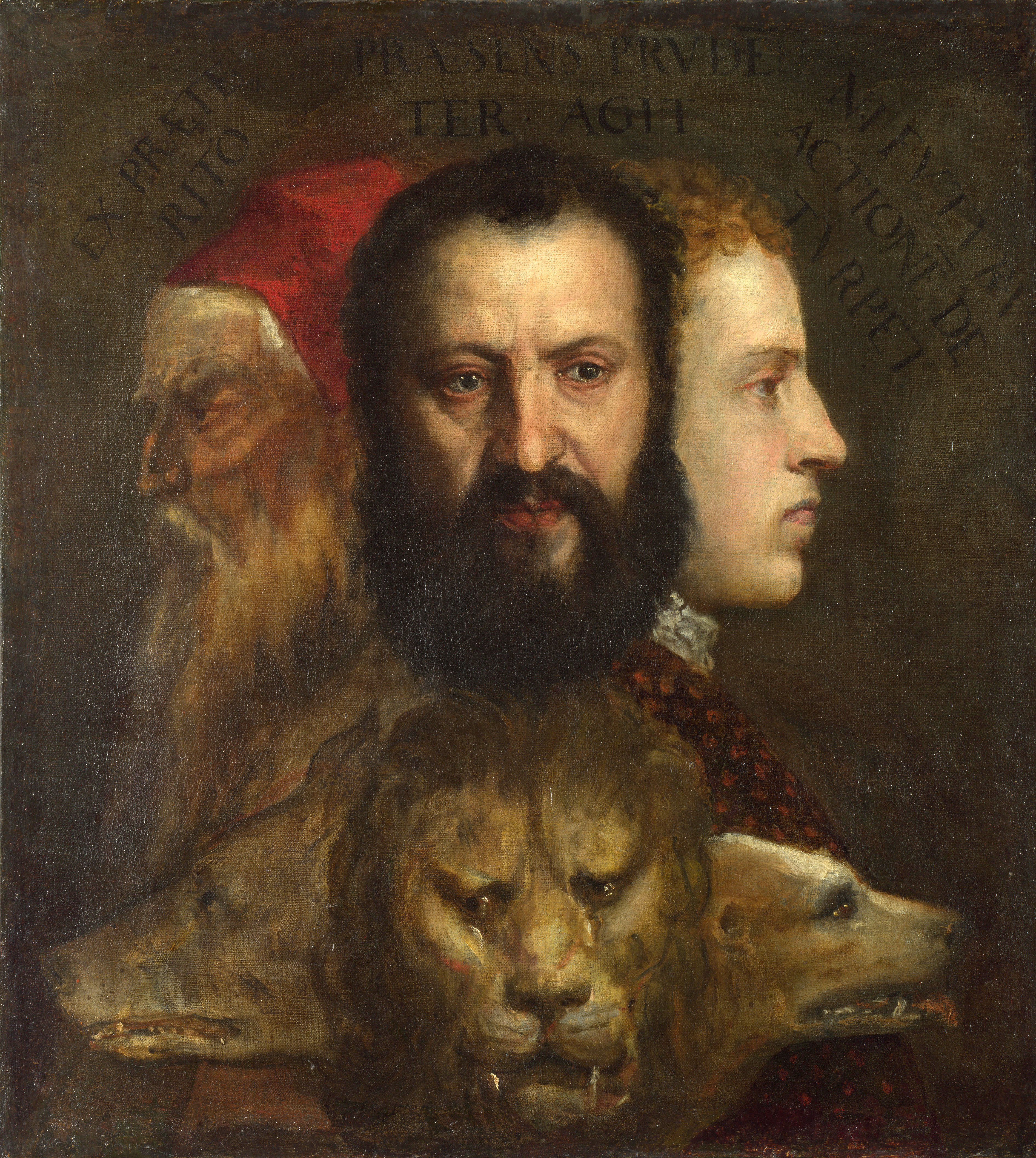
HISTORY OF POLITICAL THEORIES
Course syllabus
Is political power ever legitimate? If so, who should yield it, and under which constraints (if any)? What does it mean to be free? How is democracy to be justified? The course in History of Political Theories will examine how the major political thinkers in the history of the West answered these and other major questions. It will start by exploring the ancient roots of western political philosophy – particularly Thucydides, Plato and Aristotle. Then the focus will move on to the emergence and unfolding of modern political thinking, from Machiavelli to John Stuart Mill. Some lectures will introduce and problematize the major traditions emerging after the French revolution, namely the liberal, democratic and socialist one, and their key philosophical tenets.
Prerequisites for admission
Working knowledge of the English language
Teaching methods
The course is structured through a series of lectures, the aim of which is twofold. First, to present the most relevant authors and themes in the history of political thought. Second - and relatedly – to provide a conceptual toolkit to understand and evaluate theoretical claims about politics and international relations.
Teaching Resources
The teaching material will be uploaded on the ARIEL website and will consist of a series of documents comprising key passages from some of the major works in the history of modern political thought, authors’ profiles and pieces of secondary literature (roughly 400 pp. in total). Along with lectures’ slides and notes, this is the material on which attending students will be assessed. Non-attending students will be exempted from studying slides and notes (obviously), but not the rest of the teaching material. Indeed, on top of it, they will be required to prepare further material provided by the instructor (roughly 100 pp.) and the following handbook:
- Jonathan Wolff, Introduction to Political Philosophy, Oxford University Press, 2006 (and successive editions).
Assessment methods and Criteria
The knowledge acquired will be tested by means of a final written examination, mostly comprising open questions. No intermediate tests are envisaged.
L'insegnamento illustra i principali processi industriali che utilizzano catalizzatori organometallici omogenei, fornendo al contempo le conoscenze necessarie per affrontare da un punto di vista chimico, non ingegneristico, i problemi che si riscontrano quando si passa dalla scala di laboratorio a quella industriale.
The course describes the main industrial processes involving organometallic homogeneous catalysis. The processes are described in a way that the students can become acquainted with the problems encountered when passing from a laboratory to an industrial scale, but without dealing with engineering aspects.
This course contributes to the general purposes of the MSc Management of human resources program by offering at the students theoretical, methodological tools and practical case studies to understand how Human Resources Management Systems are applied in organizations to support organizational strategy, improve efficiency and flexibility, increase productivity and performance, and ensure compliance with employment law. The focus will be on merging computer technology with a strategic human resource management perspective. This course provides students with the knowledge, skills and abilities to identify, assess, develop and maintain an effective system for managing human resources information. Students will develop a thorough understanding of the plan, design/acquisition, implementation and applications of an HRMS/HRIS.
During the course we will face the strategic importance of HRIS in creating an eHR organization focused on interconnecting people with business strategy to achieve rapid adaptation to changing needs common to people and business.